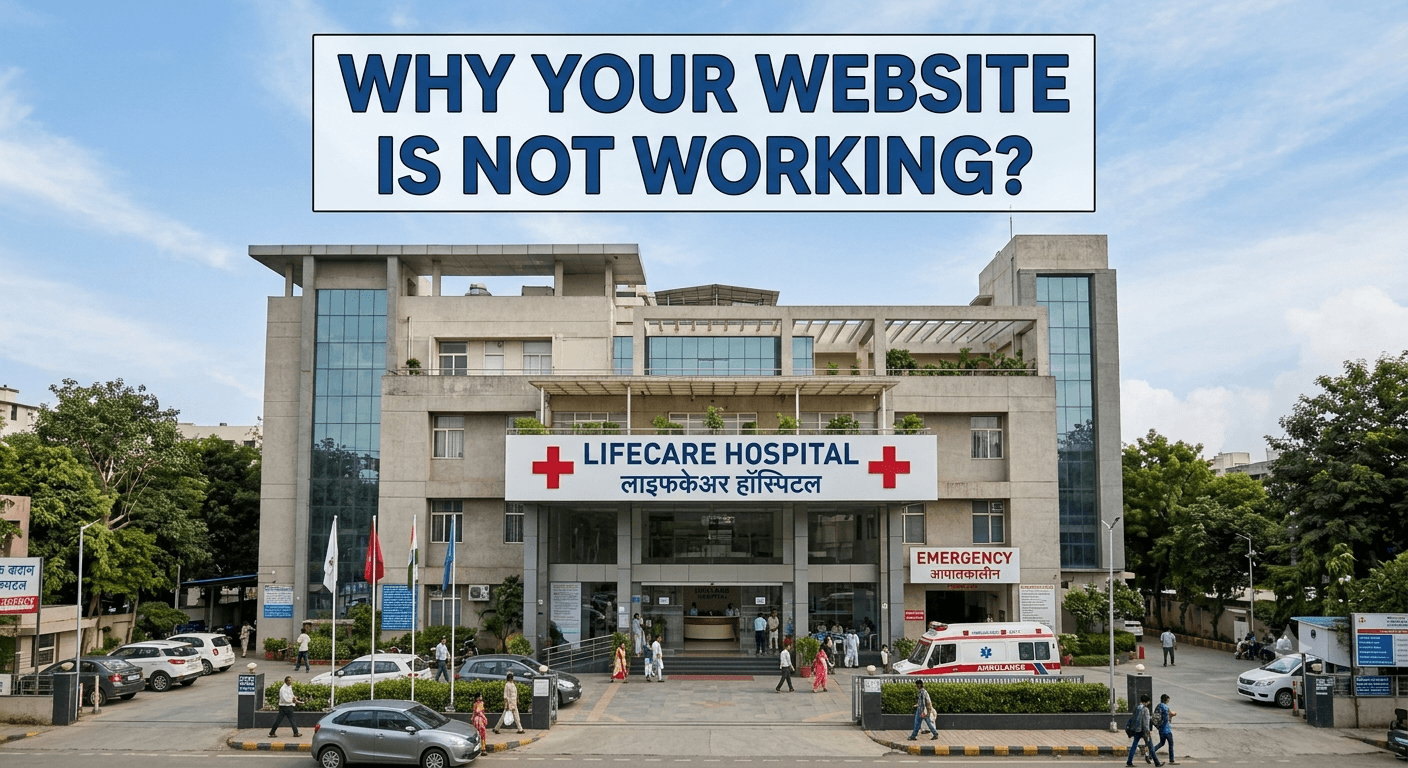
Why Your Hospital Website Isn't Getting Traffic
Many hospital websites struggle to attract organic traffic because they lack a proper SEO strategy. A website may look visually attractive, but that doesn't guarantee visibility on Google. Patients search online for specific treatments, medical departments, specialist doctors, and nearby hospitals. If your website doesn't provide useful information about these services, search engines may struggle to understand its relevance. A hospital website should do more than display its name, address, and contact number. It should answer real patient questions, explain available treatments, introduce doctors, and make it easy for visitors to contact the hospital. Good website design, technical SEO, original content, and local search optimization must work together to attract relevant visitors.
Why Generic AI-Generated Content Is Not Enough for Hospital Websites
- Why is my hospital website not getting traffic? Your hospital website may have poor technical SEO, insufficient service-specific content, weak local SEO, slow loading speeds, or indexing problems.
- How can I get more patients through my hospital website? Create optimized pages for treatments, medical departments, and doctors. Include clear appointment booking options, WhatsApp contact buttons, and accurate hospital information.
- Does AI-generated content affect hospital SEO? AI-generated content is not automatically harmful to SEO. However, generic, inaccurate, or unhelpful content without original expertise may fail to satisfy patients and search engines.
- How long does hospital SEO take to show results? SEO results depend on competition, website condition, content quality, and location. Meaningful improvements often take several months.
A successful hospital website requires more than attractive design or automatically generated content. It needs accurate medical information, genuine hospital details, clear service descriptions, and content that reflects the actual expertise of the healthcare organization. For example, a hospital should explain its available departments, introduce doctors with verified qualifications, describe its facilities, and provide clear information about consultations and appointments. AI can assist with research, writing, and optimization, but real hospital information and professional medical verification must remain the foundation. Hospitals should also focus on building a strong online presence through local SEO, useful educational content, and a technically optimized website. The ultimate goal is not simply to increase website traffic but to help relevant visitors find the information they need and contact the hospital.